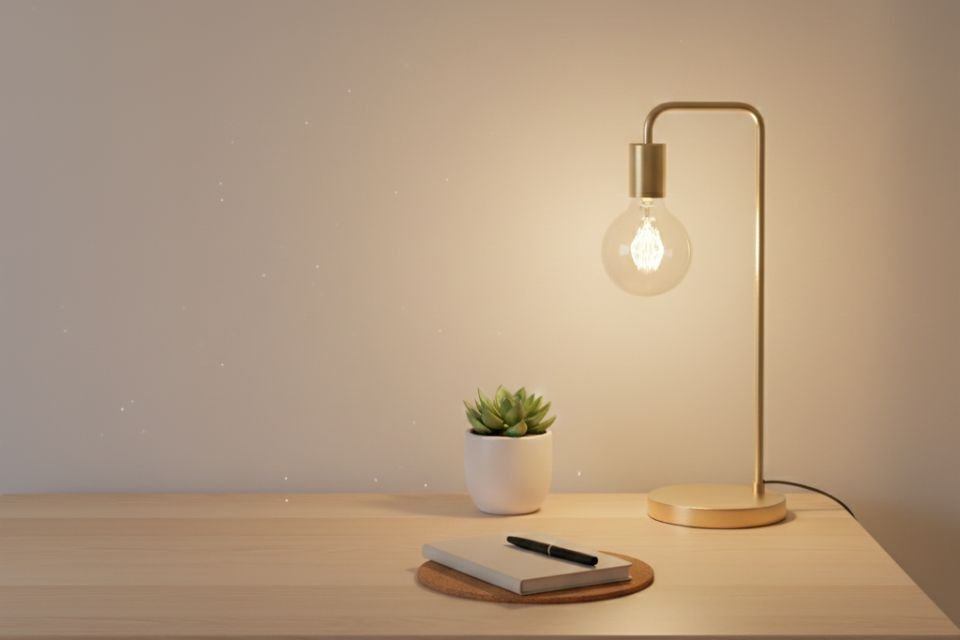
In a world that often moves too fast, creating a cozy space isn’t just about decorating—it’s about building an environment that supports your emotional well-being. Many people naturally gravitate toward warm lights, soft textures, and gentle colors because these elements create a sense of safety and calm. But why do cozy spaces have such a positive impact on our mental health? The answer lies in psychology, environment, and even the way our brains respond to comfort.
In this article, we’ll explore how warm, cozy spaces affect the mind, reduce stress, and help us feel more grounded.

1. Cozy Spaces Help Reduce Stress and Anxiety
A cozy environment often includes soft lighting, natural materials, warm colors, and inviting textures. These elements send signals to the brain that the environment is safe. When your surroundings feel safe, the nervous system can shift from “fight or flight” mode into a more relaxed state.
Here’s how cozy spaces reduce stress:
- Soft lighting lowers the stimulation level and helps calm the mind.
- Warm colors like beige, cream, or pastel tones reduce visual tension.
- Smooth or fluffy textures encourage physical comfort, which supports emotional comfort.
Research in environmental psychology shows that comfort-related stimuli—such as warm lights or quiet spaces—help lower cortisol levels, the hormone related to stress. This is why sitting in a comfortable corner, wrapping yourself in a blanket, or staying in a softly lit room can instantly make you feel more at ease.
2. Cozy Spaces Support Emotional Safety
Humans naturally look for places that feel predictable and safe. When we design a space to feel warm and cozy, we create an environment that gives the mind permission to slow down.
Cozy spaces often:
- feel smaller and more intimate
- offer items that hold personal meaning
- create emotional warmth through familiar colors or objects
This emotional safety helps the mind rest. It becomes easier to think clearly, process emotions, and feel grounded when the environment supports rather than overwhelms you.
For many people, a cozy room becomes a retreat—a personal sanctuary where they can escape from pressure, noise, and overstimulation.

3. A Cozy Environment Encourages Mindfulness
Cozy spaces often lead people to slow down and truly notice the present moment. Whether it’s the softness of a pillow, the warmth of a cup of tea, or the smell of a candle, cozy elements naturally promote mindfulness.
Mindfulness is known to:
- reduce stress
- improve mental clarity
- stabilize emotions
- increase overall happiness
By creating a cozy area at home—maybe a reading corner, a small desk setup, or a soft spot near a window—you build a place where mindfulness can happen more naturally. The environment becomes a gentle reminder to breathe, pause, and reconnect with yourself.

4. Cozy Spaces Stimulate Positive Memories
Warm and comforting environments often remind people of safety from childhood, holidays, time with loved ones, or peaceful moments. These positive associations can significantly boost mood.
For example:
- A soft blanket may remind someone of being cared for
- Warm lighting may recreate the feeling of a relaxing evening
- A gentle scent may bring back memories of home
When your surroundings trigger positive memories, your brain releases “feel-good” chemicals such as dopamine and serotonin. This emotional response is one of the reasons we seek cozy environments when we feel overwhelmed or sad—they help us return to a sense of emotional balance.

5. Cozy Spaces Encourage Rest and Recovery
Mental well-being depends heavily on how much rest the body and mind receive. Cozy environments naturally promote restfulness by reducing overstimulation.
These factors play a big role:
- Soft surfaces relax the body
- Warm tones soften visual input
- Quiet or ambient sounds create a peaceful soundscape
When your environment feels restful, your body can relax, your breathing slows, and your mind becomes calmer. This makes cozy spaces incredibly helpful for people who struggle with burnout, fatigue, or sleep issues.
Even a small cozy area—like a corner with cushions, soft blankets, and warm light—can significantly improve how well you recover from daily stress.

6.Cozy Environments Increase Productivity—In a Gentle Way
Interestingly, cozy spaces don’t just help with rest. They also support gentle productivity, especially creative or reflective work.
Why?
Because when you feel emotionally safe and physically comfortable, your mind becomes more open and flexible. Stress narrows focus and makes thinking rigid; comfort expands your mental space and allows ideas to flow more easily.
Many people find they write better, read more, or think more clearly in cozy environments. The key is balance: not too stimulating, not too dull—just comfortable enough for the brain to work calmly.

7. A Cozy Space Reflects Personal Identity
One important psychological benefit of a cozy environment is self-expression. A space that feels warm and personal can reinforce a stronger sense of identity.
This may include:
- colors you naturally love
- décor that makes you smile
- sentimental items
- textures or scents that match your personality
When your personal space reflects who you are, it creates emotional alignment. This reduces internal stress and helps you feel more at home with yourself.
A cozy room isn’t just a place—it becomes a mirror of your inner world.
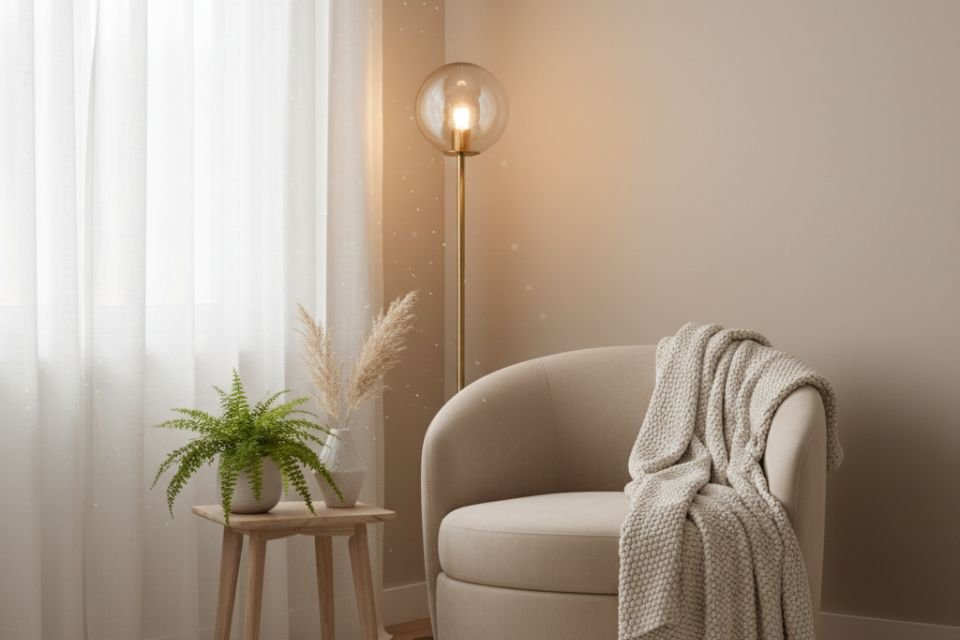
8. Building a Cozy Space Is an Act of Self-Care
Lastly, the process of creating a cozy environment is itself therapeutic. Choosing colors, arranging furniture, selecting soft materials, or adding small decorations can make you feel more in control of your life.
It’s a form of self-care because you’re telling yourself:
“I deserve comfort.”
“I deserve peace.”
“My space should support my well-being.”
Even small changes—like adding a warm lamp or a soft cushion—can be an act of kindness toward yourself and improve your everyday happiness.

Conclusion
Cozy spaces are much more than pretty rooms; they are environments that nurture the mind. From reducing stress and encouraging mindfulness to triggering positive memories and supporting emotional balance, a warm and comfortable space can make a meaningful difference in mental well-being.
You don’t need a big room or expensive décor to create coziness. Sometimes all it takes is soft light, warm colors, a gentle scent, or a quiet corner where you can breathe.
Building a cozy space is ultimately about building a space where your mind feels safe, calm, and at ease—and that is one of the most powerful gifts you can give yourself.